
Good Ingredients Don't Cook Themselves: How Leaders Design Capable Teams
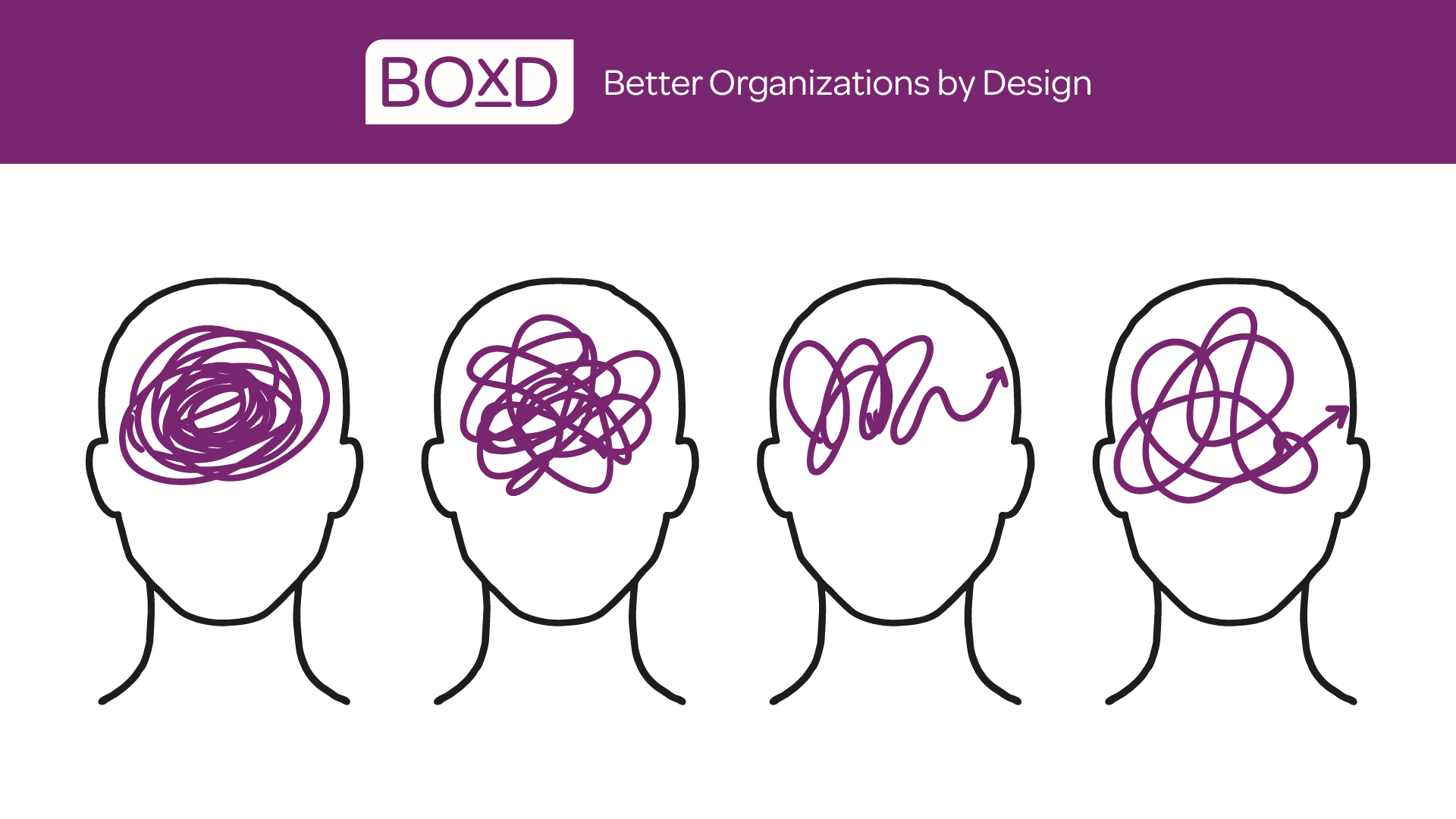

Leaders often assume that if they hire capable people, strong results will follow. But anyone who has spent time leading teams knows that is not always how it works. A team can be full of intelligent, hardworking, and well-intentioned people and still struggle to function effectively.
Talent matters. Competence matters. But neither is enough on its own. Teams do not become effective simply because the people on them are kind, capable, or committed. They need something more durable than goodwill: a shared way of working that gives people clarity, trust, and structure.
Team cohesion is rarely accidental. More often than not, it is the product of intentional design.
Team Cohesion Is Shaped by a Team Environment
Team cohesion is a shared way of functioning that allows people to work together with clarity, trust, and coordination.
What does team cohesion look like?
The team understands what it is trying to accomplish, how work gets done, how decisions are made, and what people can rely on from one another.
Work is coordinated in a way that reduces confusion about roles, decisions, and handoffs.
Teammates trust one another enough to communicate honestly, raise concerns, and follow through.
What team cohesion is not…
The team all hangs out together outside of work.
The team rarely has conflicts or tension.
Everyone on the team genuinely liking each other is fine. But teams can achieve cohesion without being friends. And on the flipside, being friends does not necessarily mean the team is cohesive. In fact, for some that might make them more conflict avoidant and hesitant to address problems with their teammates.
What Leaders Can Do to Build a Stronger Team
If team cohesion is shaped by the environment around the work, then leaders cannot afford to leave this to chance. How do you actually build the conditions that help people work well together? Here are five places to start.
1. Create mission clarity.
Make the team’s purpose specific and clear… far more specific than “support the business” or “deliver results efficiently.”
Teammates need to understand not only what their team is responsible for, but what exceptional performance actually looks like. Delivering clarity around the mission means your teammates should be able to answer:
What is this team here to make easier, better, safer, more responsive, or more human for customers, partners, or fellow teammates?
What do others specifically rely on this team for?
Where is this team uniquely positioned to create value?
Shared purpose becomes operational when people can use it to make decisions, not merely recite a generic values statement in a meeting.
2. Use hierarchy for escalation, not ego.
Create role clarity that goes beyond job titles. Hierarchy should serve the work rather than personal status, and people should understand how authority, ownership, and support are meant to function on the team.
Many teams struggle because responsibility and decision-making authority live in blurry territory. People may understand their general lane, but not where decision rights begin and end, where collaboration is expected, or what should happen when work gets stuck in a bottleneck. When those things remain unclear, teams tend to experience unhelpful friction, work duplication, hesitation, and/or power struggles that impede effectiveness.
Teammates should be able to easily answer:
What am I truly accountable for?
What decisions can I make on my own, and which ones need input or approval?
When should I collaborate, and when should I simply move?
If work gets stuck, unclear, or contested, where does it go next?
Clear roles and escalation paths reduce confusion, protect momentum, and make it easier for people to focus on the work rather than the politics around it.
3. Build shared understanding.
A strong team needs shared understanding: a collective awareness of how teammates tend to think, work, communicate, and respond in both good times and hard ones.
People work better together when they understand one another’s instincts, working styles, biases, and strengths. Who tends to move quickly, and who naturally spots risk? Who needs time to process, and who thinks out loud? Who brings steadiness, creativity, follow-through, or relational awareness when things get tense? The goal is not at all to label people rigidly, but to help the team interpret one another more accurately and collaborate more intentionally.
Teammates should be able to answer the following questions about the collective:
How does each person on this team tend to approach work, communication, and decision-making?
What strengths does each person consistently bring?
What differences on this team are helpful rather than problematic?
Where are we most likely to misread one another under pressure?
Shared understanding helps teams stop treating difference as dysfunction. It gives people a more accurate lens for interpreting one another and makes collaboration less reactive, more generous, and more effective.
4. Normalize the messy middle of team development.
Friction on a team is inevitable. Teams rarely build trust, resilience, and healthy ways of working without first moving through periods of discomfort, misunderstanding, and renegotiation. In that sense, team development can feel a bit like exercising and building muscle: some strain is part of the process. The goal is not to avoid all discomfort, but to move through it in a way that ultimately makes the team stronger under pressure.
Avoiding conflict allows dysfunction to persist in the name of politeness. As leaders think about how their team handles friction, they should have some shared understanding around questions like these:
Can we raise tension, disagreement, or confusion without it becoming personal?
Do we know how to work through conflict rather than around it?
Are our norms strong enough to hold us steady when things feel awkward or unclear?
Do we care more about looking aligned or becoming aligned?
Strong leaders help teams move through the awkward, messy middle by normalizing disagreement, reinforcing healthy norms, and modeling how to work productively and respectfully through friction.
5. Design for reliability, not just rapport.
A cohesive team needs dependable ways of working that make it easier for people to trust one another in practice.
Trust is often spoken about as though it is mainly emotional, but on a team it is both personal and practical. People trust one another when they follow through, communicate clearly, surface risks early, and do not create unnecessary cleanup for others. Warmth matters to be sure, but reliability is what makes collaboration feel safe. The strongest teams tend to have both: human connection and dependable patterns of work that support consistency, accountability, and follow-through.
As leaders, our goal is to build a team environment where teammates can answer questions like these in the affirmative:
Can I rely on others here to follow through on what they say they will do?
Do we communicate clearly enough to prevent avoidable confusion?
Are risks surfaced early, or only when they become problems?
Do our ways of working make it easier or harder for people to succeed together?
When reliability is built into the way a team operates, trust becomes part of the team’s foundation.
Capable people don't automatically work as capable teams. Without designed cohesion, they are set up to fail. It is the responsibility of leaders to build the clarity, norms, and reliability that help people work well together.